3rd Edition of International Conference on Gastroenterology
September 27-29, 2027 London, UK

Gastroenterology Imaging
Gastroenterology imaging is a field of medicine focused on diagnosing and treating diseases of the digestive system. This includes the stomach, small intestine, large intestine, esophagus, and gallbladder. Imaging is an important part of gastroenterology, providing physicians with valuable information to aid in diagnosis and treatment of various conditions. Imaging methods used in gastroenterology include endoscopic ultrasound (EUS), computed tomography (CT), magnetic resonance imaging (MRI), and positron emission tomography (PET). EUS is used to capture high-resolution images of the digestive tract. CT scans are used to detect inflammation, tumors, and other abnormalities. MRI is used to detect structural changes to organs and tissues, as well as to detect bleeding or infection. PET is used to detect metabolic processes and changes in the body. Gastroenterology imaging is often used in conjunction with other medical tests, such as endoscopies or biopsies, to provide a more complete picture and diagnosis of a condition. It can also be used to monitor the progress of a condition and the effectiveness of treatment. Gastroenterology imaging is an essential tool in managing and treating digestive system diseases.

Alberto Maringhini
La Maddalena Hospital, Italy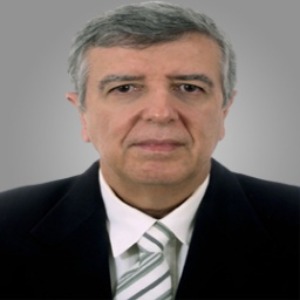
Jose Luis Braga De Aquino
Pontifical Catholic University of Campinas, Brazil
Pubali Dhar
University of Calcutta, IndiaSubmit your abstract Today