3rd Edition of International Conference on Gastroenterology
September 27-29, 2027 London, UK
Recent Trends in Imaging
Recent trends in imaging have been driven by the need to improve accuracy and reduce costs while maintaining safety. Advances in imaging technology have allowed for better visualization of anatomical structures, which has enabled doctors to make more accurate diagnoses and treatment decisions. One major trend in imaging is the use of 3D imaging. 3D imaging allows doctors to get a more detailed view of the anatomy, which can help them make more accurate diagnoses. 3D imaging also increases the accuracy of radiation treatment planning. Another trend in imaging is the use of artificial intelligence (AI). AI can be used to automate image analysis and improve accuracy. AI can also be used to detect tumors and other abnormalities in images, which can help doctors make more accurate diagnoses. Another trend in imaging is the use of virtual reality (VR). VR can be used to create 3D images of the body, which can help doctors better visualize the anatomy and make more accurate diagnoses. VR also offers patients a more comfortable imaging experience. Finally, there has been a trend towards using portable imaging devices. Portable imaging devices allow doctors to take images in the field, which can help them make more accurate diagnoses. Portable imaging devices can also reduce costs and improve patient outcomes.
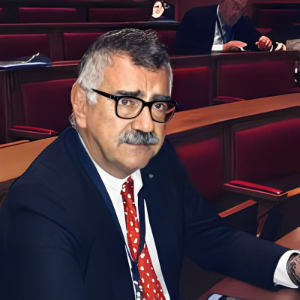
Alberto Maringhini
La Maddalena Hospital, Italy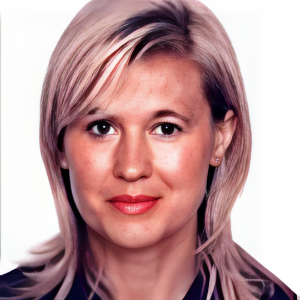
Maria Isabel Torres Lopez
University of Jaen, Spain
Jose Luis Braga De Aquino
Pontifical Catholic University of Campinas, BrazilSubmit your abstract Today


Title : Papillary cyst adenoma of epididymis presenting with recurrent hydrocele: A case report
Chandrika Sah, Civil Service Hospital of Nepal, Nepal
Title : The bigger picture: modeling celiac disease with organoids and organ-on-chip platforms
Maria Isabel Torres Lopez, University of Jaen, Spain
Title : Conjugated linolenic acid: From yesterday to tomorrow
Pubali Dhar, University of Calcutta, India